Farm security installers, Northeast Indiana
Check the barn from bed.
Coop-Lock puts cameras, door and gate sensors, and GPS trackers on farms. A barn door opens or a truck comes up the lane at night, and your phone gets the picture. You decide if it's worth pulling your boots on.
We work in DeKalb, Noble, Allen, and Whitley counties. Over the line in LaGrange or Steuben? Call anyway.
What we install
Where the cameras and sensors go.
On the site walk we draw your yard and mark each camera and sensor. This one is a made-up layout like plenty of places around Auburn and Kendallville: house by the road, a long lane, barns and bins out back.
- Camera view
- Door or gate sensor
- GPS boundary
-
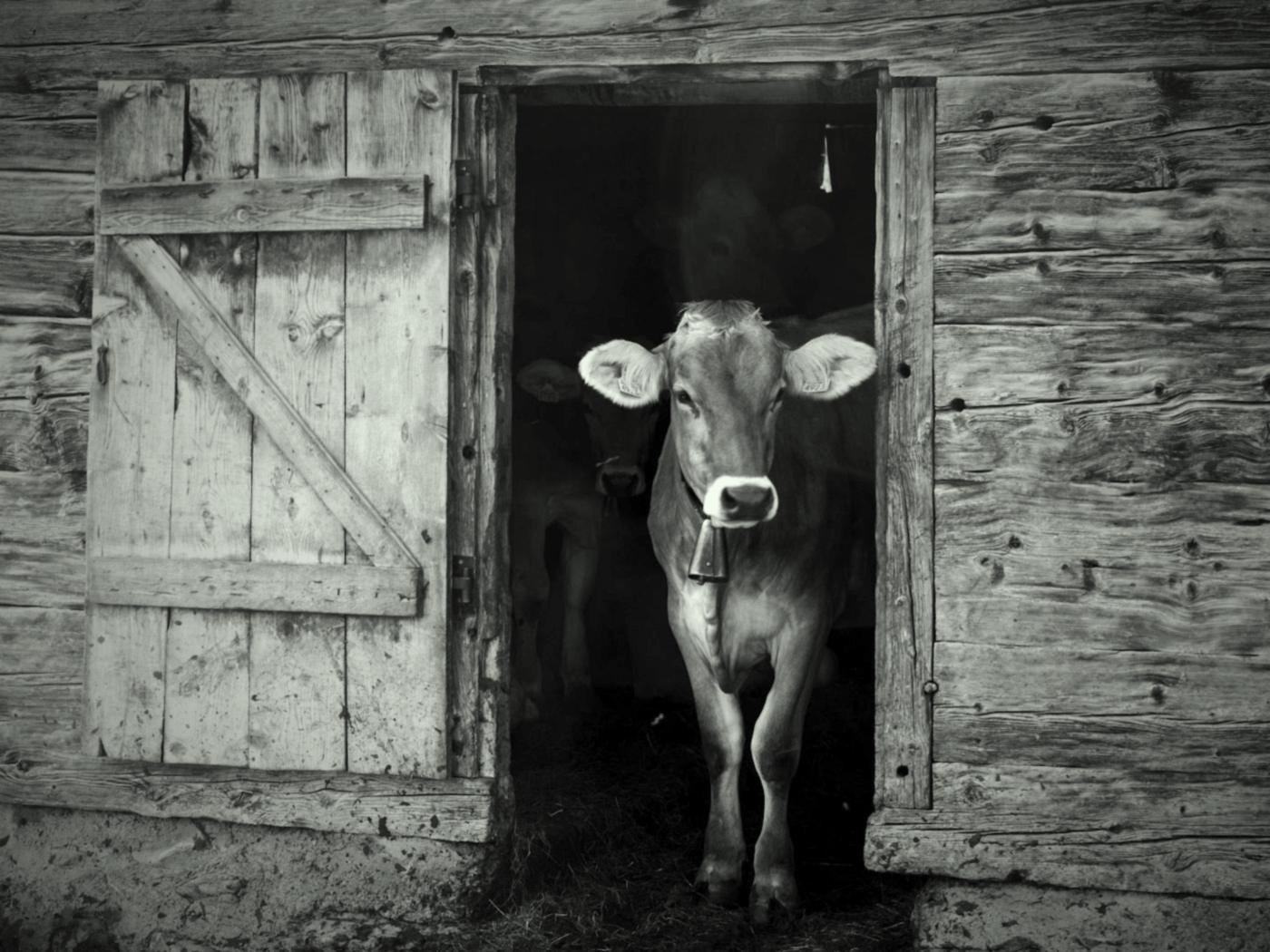
Livestock barns
Infrared cameras at each end of the alley pick up a barn with every light off. Sensors go on the big sliders and the walk-in doors. Add a temperature sensor and you'll get a text if the barn runs colder or hotter than a number you pick.
Infrared cameras, door sensors, temperature sensor
-
Machine sheds
Sensors on the overhead doors and the man door. One camera inside covers the bays. One outside faces the apron, close enough to read the plate on a truck that backs up to the door.
Door sensors, inside and outside cameras
-
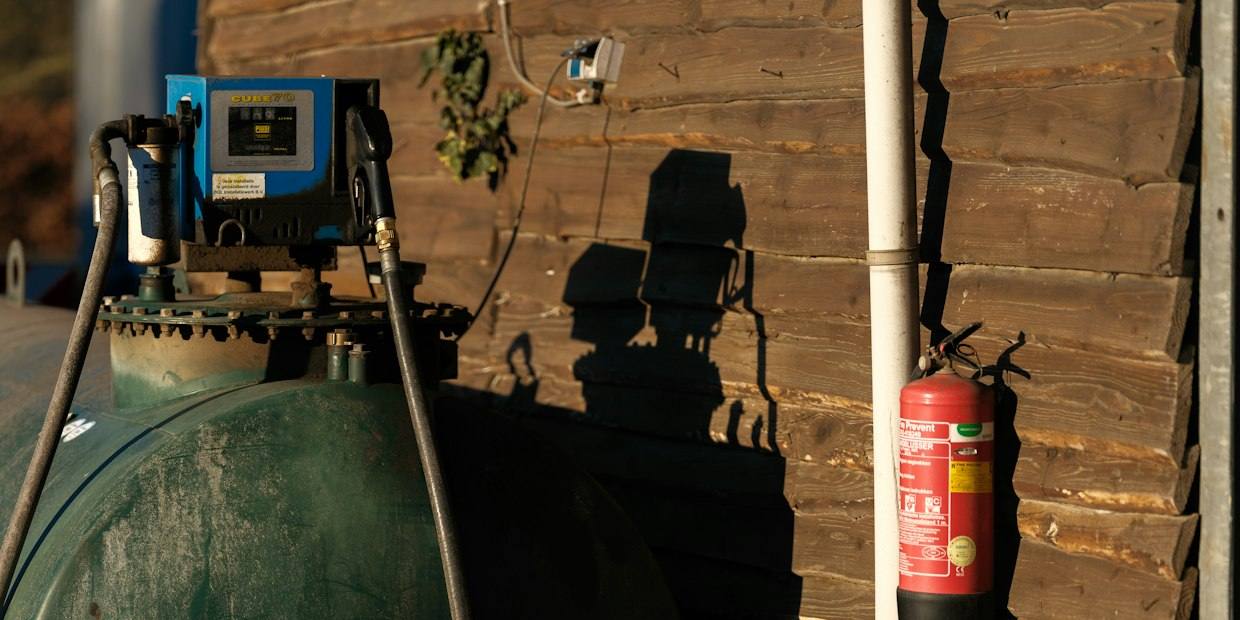
Fuel tanks
Diesel thieves come with a pickup and a transfer tank. We mount the camera high on the shed wall, aimed at the spot where their truck has to park.
One camera, optional sensor on the pump lid
-
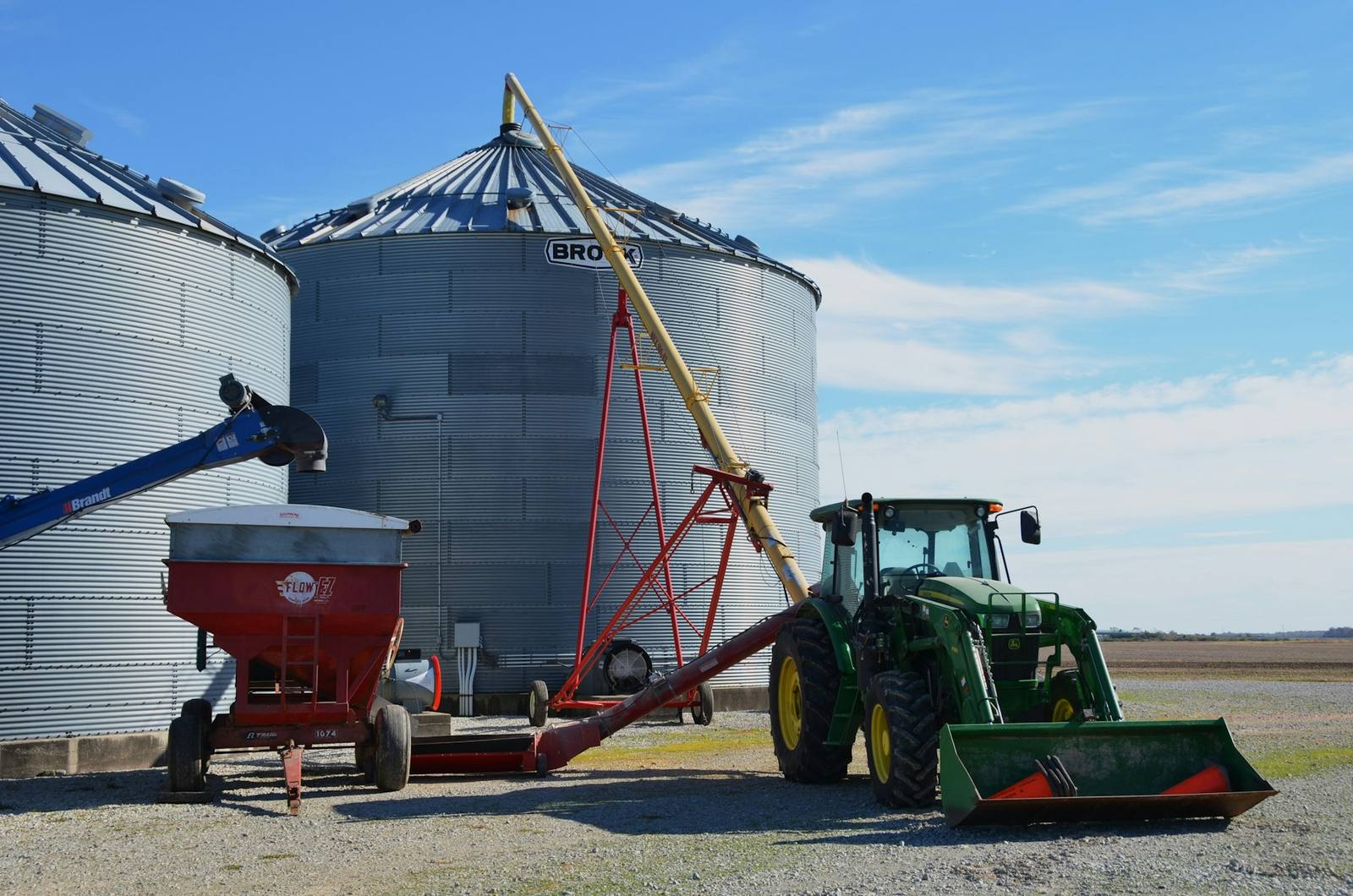
Grain bins
A camera on a pole can cover the bins, the dryer, and the auger. Bin door sensors text you when somebody opens a bin, which is good to know with kids or hired help around the site.
Pole camera, bin door sensors
-
Gates and the lane
A sensor on the lane gate, or a probe buried at the end of the drive, rings a chime in the house when a vehicle comes in. It reaches a gate a quarter mile out. Put a camera on the lane and each chime comes with a picture.
Gate sensor or drive probe, lane camera
-
Equipment in the field
Hidden GPS trackers on tractors, combines, and trailers. Draw a boundary around the field, and a machine that crosses it after hours sends you a text.
GPS trackers, boundary alerts
How alerts reach you
Your phone at 2:14 a.m.
The sensor on the east barn door trips.
Camera 4 saves a 20-second clip and three stills to the recorder in your house.
Your phone buzzes: "East barn door opened." The picture comes with it.
You look. It's the red heifer leaning on the door again. You go back to sleep.
Or it's a pickup with its lights off, parked by the fuel tank.
You turn on the yard lights from your phone and call the sheriff. The recorder already has the clip for the deputy.
You set the rules.
- Quiet hours
- Gate alerts from 9 p.m. to 5 a.m., and none while you're doing morning chores.
- A second phone
- Leave an alert unopened for five minutes and it calls the next number on your list: a spouse, a neighbor, whoever lives closest.
- No signal out back
- We run a radio link from the far building to the house, so that camera still reports.
- Your clips
- Recordings stay on a recorder in your house. You pull them up in the app on your phone.
GPS trackers
For equipment that spends the night in the field.
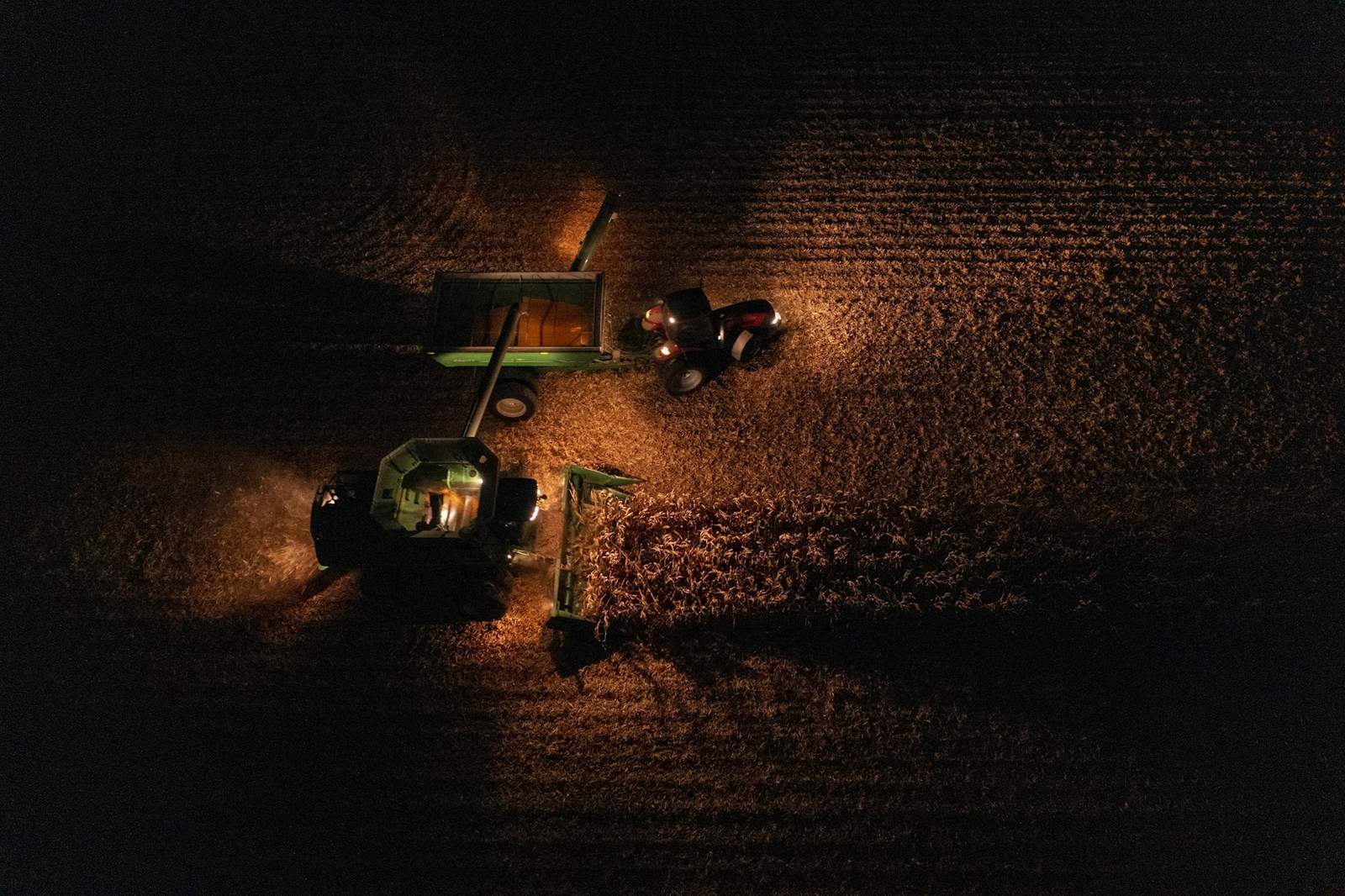
During planting and harvest a tractor or combine can sit at the end of a field for days. We hide a tracker inside the cab or frame and wire it to the machine's battery. It carries a backup battery of its own in case somebody cuts the power.
Draw a boundary around the field in the app and set the hours you're working. A machine that crosses the line outside those hours sends you a text with a map pin you can hand to a deputy.
Tractors, combines, skid steers, gravity wagons, trailers
The install visit
How an install goes.
You keep the drawing from the site walk, so you know where each camera and sensor went and why.
-
Step 1
Site walk
Free, about an hourWe walk the yard with you, check where the power and cell signal are, and mark each camera and sensor on a drawing of your place. You get a written quote within the week, with every camera, sensor, and tracker on its own line.
-
Step 2
Install
One or two days on most farmsWe mount cameras on eaves and poles, run wire in conduit where cattle can't chew it, and set the recorder up in the house. Before we leave, we put the app on each phone that needs it and trip every sensor while you watch the alerts come in.
-
Step 3
First two weeks
TuningBarn cats, blowing snow, and headlights on the county road will set off some alerts at first. We adjust the motion zones until your phone buzzes for things you'd get out of bed for. Something still off? Call, and we'll come back out.
Free site walk
Book a site walk.
Tell us where the farm is and what you want watched. We'll call to set a time. During planting and harvest, that call might come after dark.